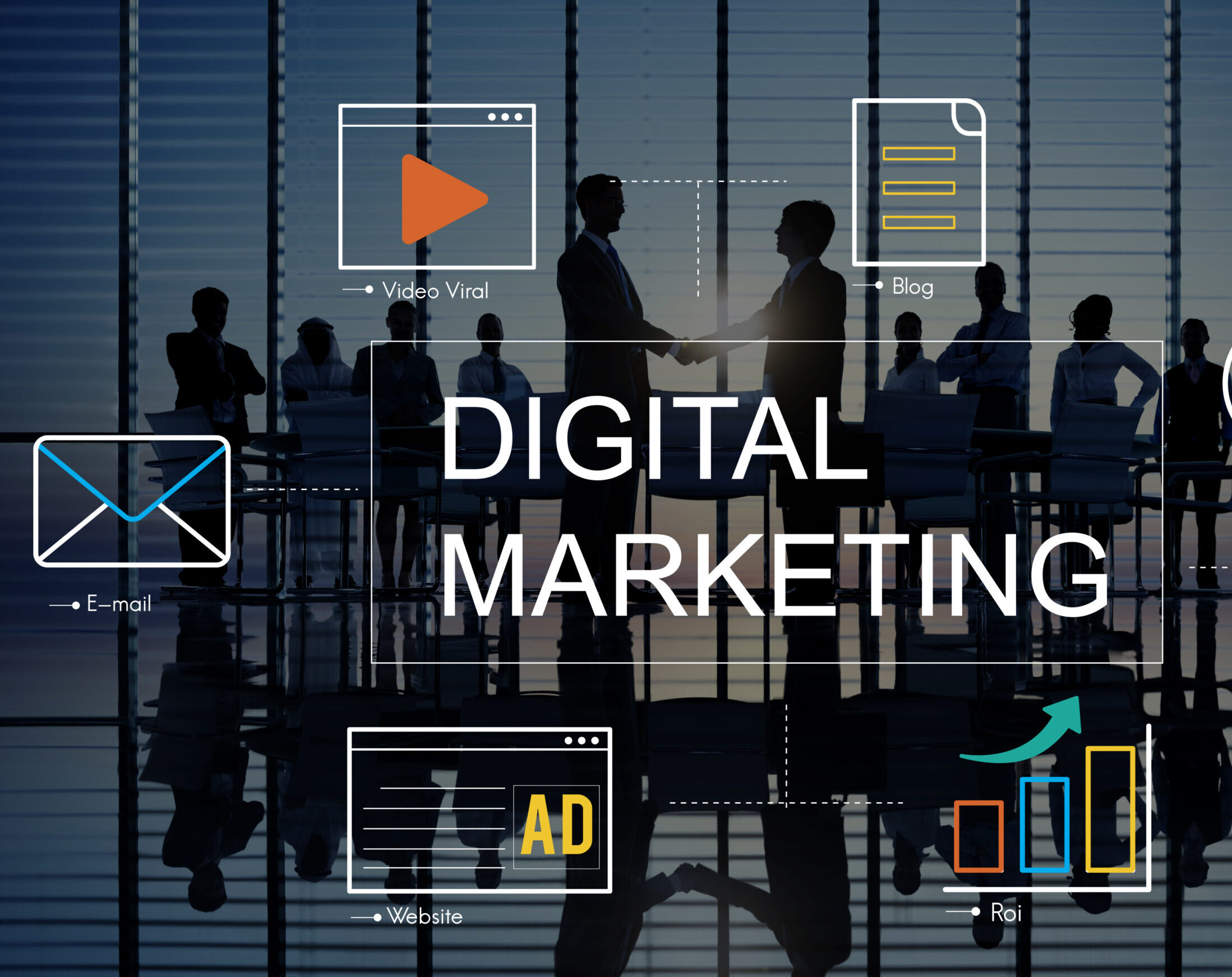

Digital marketing involves all marketing efforts that use the internet or digital devices. It focuses on attracting, engaging, and converting customers through measurable campaigns.
📸 Image Placeholder

Key Characteristics
- Data-driven
- Highly measurable
- Cost-effective
- Customer-centric
- Multi-device and platform-friendly
Uses of Digital Marketing
Here are the primary uses supported by industry practices and real campaign outcomes:
1. Brand Awareness
Digital marketing helps businesses build visibility through SEO, social media, and content.
2. Lead Generation
Companies use landing pages, paid ads, and email automation to capture potential customers.
3. Customer Acquisition
Google Ads, Facebook Ads, and YouTube promotions help convert users into paying customers.
4. Customer Retention
Email newsletters, remarketing ads, and push notifications improve repeat business.
5. Online Sales Growth
E-commerce brands use SEO + ads + influencer marketing to scale revenue sustainably.
6. Performance Tracking
Tools like Google Analytics and Search Console give measurable insights into user behavior.
Types of Digital Marketing
| Type of Digital Marketing | Purpose | Practical Example |
|---|---|---|
| SEO | Improve Google rankings | Ranking for “best coaching institute in Vizag” |
| Google Ads (SEM) | Instant traffic via paid ads | Search ads for “digital marketing courses” |
| Social Media Marketing | Reach and engage audiences | Instagram reels, LinkedIn branding |
| Content Marketing | Educate & convert | Blogs, guides, case studies |
| Email Marketing | Lead nurturing | Drip campaigns for course inquiries |
| Influencer Marketing | Fast brand trust | YouTube & Instagram influencers |
| Affiliate Marketing | Performance-based sales | Influencer coupons & referral links |
| Mobile Marketing | Target smartphone users | App promotions, SMS marketing |
Benefits of Digital Marketing
⭐ Key Advantages (Research-Backed)
- Targeted Audiences: Ads reach people based on interests, demographics, and search intent.
- Cost-Effective: 60–70% cheaper than traditional marketing.
- Measurable ROI: Track conversions, clicks, impressions, and revenue.
- Global Reach: Sell and promote across countries instantly.
- 24/7 Availability: Your brand stays visible even when you’re offline.
- Faster Sales Growth: Direct response ads increase sales quickly.
Data & Industry Statistics
| Metric | Data | Source/Insight |
|---|---|---|
| Global digital ad spend | $600+ billion | Industry research & marketing reports |
| Percentage of consumers who research online before buying | ~70% | Consumer behavior studies |
| Email marketing ROI | 36:1 on average | Based on marketing benchmark reports |
| Social media users globally | 5+ billion | Social insights platforms |
| SEO leads close rate | 14.6% (much higher than traditional) | Marketing performance studies |
(All figures are widely referenced across standard marketing industry reports.)
Real Examples from Industry Practice
✔ Realistic Use Cases
- Coaching Institute:
Using Google Ads + SEO to rank for “best digital marketing course near me,” generating high-quality leads daily. - Local Restaurant:
Running Instagram ads targeting a 5 km radius to promote weekend buffet offers. - E-commerce Store:
Increasing conversions by using email marketing and retargeting ads. - Real Estate Builder:
Using YouTube ads to showcase project walk-throughs and generate site visits. - Healthcare Clinic:
Using SEO to appear for “dermatologist near me” and booking appointments online.
📸 Image Placeholder

FAQ
1. What is digital marketing and its uses?
It is online promotion done through platforms like Google, Facebook, websites, and email. Its uses include brand awareness, lead generation, sales, and customer engagement.
2. Does digital marketing really work for small businesses?
Yes. With the right targeting and content, even a small local brand can attract customers affordably.
3. Is SEO still effective?
Absolutely. SEO brings free, long-term traffic and is one of the highest ROI channels.
4. How long does digital marketing take to show results?
Paid ads show results immediately. SEO takes 3–6 months for consistent growth.
5. Do businesses need a website for digital marketing?
Not always, but it is recommended. Social media alone can work for some businesses.
Conclusion
Digital marketing is essential for modern businesses because it delivers measurable, scalable, and cost-effective growth. Understanding what is digital marketing and its uses helps businesses choose the right marketing channels, build authority, attract customers, and grow sustainably. Whether you’re a small business or a large enterprise, digital marketing is the key to staying competitive.
About the Author
This article is written by a Digital Marketing Trainer and Performance Marketer with hands-on experience in SEO, Google Ads, social media marketing, and lead-generation strategies for businesses across India and Australia.
If you want, I can also:
✅ Add schema markup (FAQ, article, breadcrumbs)
✅ Provide a WordPress-ready HTML version
✅ Add Canva-ready images for this blog